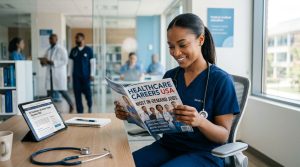
You’ve explored the general job openings across the United States, offering a broad overview of the national employment landscape. However, to truly pinpoint areas of significant growth and stability, it’s crucial to delve deeper into specific sectors. This article will go beyond the surface, revealing an exclusive insight into the most in-demand healthcare jobs in the USA currently, providing you with a detailed roadmap to secure a highly rewarding and future-proof career within this vital industry. Understanding these specific healthcare jobs can empower you to make informed decisions about your professional future, ensuring you invest your time and resources into fields with robust growth projections and consistent work opportunities. The healthcare sector continues to be a cornerstone of the economy, presenting myriad work opportunities for dedicated professionals seeking long-term career satisfaction and competitive compensation.
The Enduring Demand for Registered Nurses (RNs)
Registered Nurses (RNs) remain at the forefront of the healthcare workforce, consistently ranking among the most sought-after professionals. The demand for Registered Nurse positions is projected to grow significantly, driven by an aging population requiring more medical care, increasing rates of chronic conditions, and advancements in medical treatments. RNs play a critical role in patient care, education, and advocacy across various settings, including hospitals, clinics, schools, and home healthcare. Specializations within nursing, such as critical care, oncology, pediatrics, and geriatrics, further amplify the specific job openings for those with specialized skills. Pursuing a career as an RN offers a dynamic environment with continuous learning and ample work opportunities for professional development. The versatility of Registered Nurse positions ensures a wide array of career paths, from direct patient care to management and education, making it an exceptionally stable choice among all healthcare jobs.
The flexibility and geographic mobility associated with RN roles also contribute to their high demand. Whether you are looking for urban hospital settings or rural community clinics, Registered Nurse positions are prevalent across the country. Furthermore, the emphasis on preventative care and community health initiatives means that RNs are increasingly vital outside traditional acute care settings, expanding the scope of available work opportunities. For those considering a career in healthcare, the path to becoming an RN offers a solid foundation and numerous avenues for advancement, making it one of the most reliable healthcare jobs available.
Advanced Practice Providers: Nurse Practitioners and Physician Assistants
The roles of Nurse Practitioners (NPs) and Physician Assistants (PAs) have seen explosive growth, reflecting a broader trend in healthcare towards team-based care and expanding access to primary and specialty services. Nurse Practitioner careers and Physician Assistant roles are highly valued for their ability to provide comprehensive patient care, often including diagnosis, treatment, and prescription of medication, under varying degrees of physician supervision depending on state regulations. These advanced practice providers help alleviate physician shortages, particularly in underserved areas, and are crucial for efficient healthcare delivery. The job openings for NPs and PAs are expected to continue their upward trajectory, offering excellent compensation and significant professional autonomy.
Individuals pursuing Nurse Practitioner careers can specialize in areas such as family health, adult-gerontology, pediatrics, psychiatric mental health, and women’s health, allowing for tailored professional development. Similarly, Physician Assistant roles offer diverse practice settings, from primary care to surgery, emergency medicine, and specialized fields like orthopedics or cardiology. Both professions require master’s-level education and rigorous certification, ensuring a highly skilled workforce. The increasing complexity of patient needs and the drive for cost-effective, high-quality care mean that these specific healthcare jobs offer some of the most promising work opportunities in the current market. Exploring these advanced roles can open doors to leadership and specialized practice within the broader spectrum of healthcare jobs.
Rehabilitation Specialists: Physical and Occupational Therapists
As the population ages and awareness of rehabilitative care grows, the demand for Physical Therapists (PTs) and Occupational Therapists (OTs) continues to surge. Physical Therapist demand is driven by the need to help patients recover from injuries, surgeries, and chronic conditions, improving their mobility and reducing pain. Occupational Therapist needs focus on helping individuals regain independence in daily living and work activities, adapting environments, and teaching new strategies for tasks. Both professions are vital for enhancing patients’ quality of life and facilitating their return to normal function, making them indispensable healthcare jobs.
These highly specialized healthcare jobs require doctoral-level education for PTs and master’s or doctoral degrees for OTs, emphasizing a deep understanding of human anatomy, physiology, and therapeutic techniques. The work opportunities for PTs and OTs span hospitals, rehabilitation centers, outpatient clinics, schools, and home health agencies. The emphasis on non-pharmacological interventions and preventative care further solidifies the long-term outlook for these roles. For those passionate about helping individuals achieve their maximum potential, a career as a physical or occupational therapist offers profound personal and professional satisfaction, with consistent job openings across the nation. The growth in specialized “Physical Therapist demand” and “Occupational Therapist needs” highlights critical areas within the rehabilitation sector.
Diagnostic and Support Roles: Sonographers and Medical Technologists
Behind every diagnosis and treatment plan are crucial diagnostic and support professionals. Medical Sonographer salaries and job outlooks are particularly strong, as these specialists use ultrasound equipment to create images of the body’s internal structures, assisting physicians in diagnosing various medical conditions. Their expertise is invaluable in fields ranging from obstetrics and cardiology to emergency medicine. The precision and skill required for these roles make them high-value healthcare jobs with competitive compensation and steady job openings.
Similarly, Medical Technologists (also known as Clinical Laboratory Scientists) perform complex tests on blood, tissue, and other body fluids, providing critical information for disease diagnosis, treatment, and prevention. Their work is foundational to virtually all aspects of modern medicine, yet often occurs behind the scenes. The increasing complexity of medical testing and the need for accurate, timely results ensure a consistent demand for skilled medical technologists. These roles offer robust work opportunities for individuals with strong scientific acumen and attention to detail. Both “Medical Sonographer salaries” and the overall demand for skilled laboratory professionals underscore the diverse and essential nature of these support healthcare jobs.
The Rise of Healthcare Management and Data Analytics
Beyond direct patient care, the healthcare industry also offers significant work opportunities in administrative and technological fields. Medical and Health Services Managers are essential for planning, directing, and coordinating medical and health services. They manage facilities, departments, or entire practices, ensuring efficiency, compliance, and quality of care. The increasing complexity of healthcare regulations, technology, and financing means that skilled managers are in high demand to navigate these challenges. These leadership roles are critical for the smooth operation of healthcare systems and represent some of the most impactful non-clinical healthcare jobs.
Furthermore, the explosion of health data has created a burgeoning field for Healthcare Data Analyst jobs. These professionals collect, analyze, and interpret large datasets to identify trends, improve patient outcomes, optimize operations, and inform strategic decisions. With the transition to electronic health records and the emphasis on evidence-based practice, the ability to derive actionable insights from data is more valuable than ever. These roles require a blend of analytical skills, technical proficiency, and an understanding of healthcare operations, offering exciting work opportunities for those with a passion for data science and its application in medicine. For those looking for professional growth and diverse career paths, exploring Top Professional Job Vacancies in Every State can provide a broader perspective on available roles, including those in healthcare management and analytics.
Comparing Healthcare Career Paths: Clinical vs. Administrative vs. Tech
- ✦ Clinical Roles (e.g., RN, NP, PA): Direct patient interaction, diagnosis, treatment, and hands-on care. Requires extensive medical knowledge and strong interpersonal skills. High demand for direct patient-facing healthcare jobs.
- ✦ Administrative Roles (e.g., Medical and Health Services Manager): Focus on operations, policy, finance, and human resources. Requires strong leadership, organizational, and business acumen. Essential for the efficient functioning of healthcare facilities and numerous job openings in oversight.
- ✦ Diagnostic & Support Roles (e.g., Sonographer, Medical Technologist): Specialized technical skills for imaging, laboratory testing, and data analysis. Critical for accurate diagnosis and treatment planning. Offers stable work opportunities with specific technical training.
- ✦ Rehabilitation Roles (e.g., PT, OT): Focus on restoring function, mobility, and independence after injury or illness. Requires deep understanding of physical and occupational therapies. Growing demand due to an aging population and increased focus on quality of life.
- ✦ Technological & Data Roles (e.g., Healthcare Data Analyst): Involves managing and interpreting health information, developing IT solutions, and ensuring data security. Requires strong analytical, programming, and cybersecurity skills. Rapidly expanding work opportunities driven by digital transformation in healthcare.
Your Checklist for Securing a High-Demand Healthcare Job
- ✓ Identify Your Passion: Research various healthcare jobs to find a role that aligns with your interests and strengths. Consider both clinical and non-clinical work opportunities.
- ✓ Obtain the Right Education: Ensure you meet the educational requirements (degrees, certifications) for your chosen field. Many high-demand healthcare jobs require specialized training.
- ✓ Gain Practical Experience: Look for internships, clinical rotations, or volunteer work to build experience and network within the industry.
- ✓ Develop Soft Skills: Communication, empathy, problem-solving, and teamwork are crucial in any healthcare setting.
- ✓ Stay Updated: Healthcare is constantly evolving. Commit to continuous learning and professional development to remain competitive in job openings.
- ✓ Network Effectively: Attend industry conferences, join professional organizations, and connect with mentors.
- ✓ Optimize Your Resume and Cover Letter: Tailor your application materials to highlight relevant skills and experiences for each specific healthcare job.
- ✓ Prepare for Interviews: Practice answering common interview questions and be ready to discuss your commitment to patient care and the healthcare industry.
- ✓ Consider Professional Guidance: Sometimes, navigating the job market requires expert help. For assistance with your job search, you might consider Finding a Reliable Employment Agency Near You to explore more work opportunities.
Frequently Asked Questions About Healthcare Jobs
Q1: What makes healthcare jobs so in-demand?
A: The consistent demand for healthcare jobs stems from several factors: an aging population requiring more medical services, advancements in medical technology leading to new treatments, increased awareness of health and wellness, and the essential, non-outsourcable nature of patient care. These combined elements create robust job openings across various specialties.
Q2: Are there entry-level healthcare jobs with good growth potential?
A: Absolutely. Roles like Certified Nursing Assistants (CNAs), Medical Assistants, and Home Health Aides offer entry points into the healthcare sector with relatively shorter training periods. These positions provide valuable experience and can serve as stepping stones to higher-level healthcare jobs, such as becoming a Registered Nurse or other specialized roles, demonstrating clear career progression and work opportunities.
Q3: What education is typically required for these high-demand healthcare jobs?
A: Educational requirements vary significantly. While some roles like RNs require an Associate’s or Bachelor’s degree, advanced practice roles such as Nurse Practitioners and Physician Assistants typically need a Master’s degree. Physical Therapists and Occupational Therapists often require doctoral-level education. Specialized diagnostic roles may require associate’s degrees or post-secondary certificates. Always check specific program requirements for your desired healthcare jobs.
Q4: How important is specialization in healthcare careers?
A: Specialization is increasingly important. While generalist roles like RNs are always in demand, specializing in areas such as pediatrics, geriatrics, oncology, or specific medical procedures can open up more niche job openings, lead to higher compensation, and provide deeper expertise. Specialization often comes with additional certifications or advanced degrees, enhancing your work opportunities.
Q5: What are the biggest challenges facing healthcare professionals today?
A: Healthcare professionals often face challenges such as high-stress environments, long working hours, emotional burnout, and the need to constantly adapt to new technologies and regulations. However, the rewarding nature of helping others and the strong sense of purpose often outweigh these difficulties, making these healthcare jobs highly fulfilling.
Q6: How can I find the best job openings in the healthcare sector?
A: To find the best job openings, it’s advisable to utilize a multi-pronged approach: professional networking, online job boards specializing in healthcare, direct applications to hospital systems and clinics, and considering specialized recruitment agencies. Tailoring your resume and cover letter for each specific healthcare
Official Sources and References
By clicking the links above, you will be redirected to external websites. We are not responsible for third-party content. Always verify information from official sources.